Wednesday, February 12, 2020
4:00 pm - 5:00 pm
246 Hesburgh Library, Navari Family Center for Digital Scholarship
Version control is the lab notebook of the digital world: it’s what professionals use to keep track of what they’ve done and to collaborate with others. Every large software development project relies on it, and most programmers use it for their small jobs as well. And it isn’t just for software: books, papers, small data sets, and anything that changes over time or needs to be shared, should be stored in a version control system.
In this session, we’ll learn how to identify old versions of files, practice Rolling Back to recover old versions of files, and learn how version control allows us to undo a set of changes quickly.
Objectives
There are no prerequisites or experience required. In this lesson, we use Git from the Unix Shell and explore GitHub. Some previous experience with the shell is expected but isn’t mandatory.
Bring your laptop.
Please see this section of the workshop template for instructions on installing Git and preparing for the workshop. You will need an account at github.com for parts of the Git lesson. If you’d like help to set up your shell environment, install Git, and set up a user account in Github, please contact cds@nd.edu.
You can take this workshop to build toward the completion of either the Software or Library Carpentries lesson series. This workshop is taught by a Carpentries-certified instructor.
Open to Undergraduates, Graduate Students, Faculty, Staff, Postdocs
E-Research Librarian
natalie.meyers@nd.edu
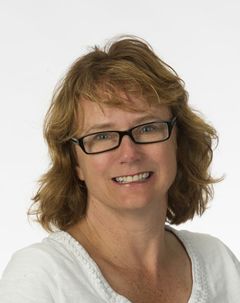
Natalie Meyers is the E-Research librarian in Digital Initiatives and Scholarship where she helps pioneer and provide research data consulting services, including in-depth data management services in support of grant-funded research.
She devotes up to 80% of her time as an embedded e-research librarian for grant-funded research by faculty members.
Natalie serves as an advisor to groups and individuals regarding data and digital content management.
She also provides advice and works with units across campus and externally to offer collaborative, team-based support for data management needs, including development of GIS, as well as data and metadata services for the Center for Digital Scholarship. She advises other library initiatives as needed and hosts, conducts, and/or designs related workshops.

